The Complete Guide to Internet Radio Hosting: Start Your Own Station Today
The realm of internet radio provides remarkable prospects for emerging broadcasters. This guide offers insights into the vital components of starting a thriving station. From picking the ideal software to interacting with an audience, every element is important. Understanding these elements can make the difference between a fleeting hobby and a thriving platform. As the industry advances, what steps can one take to make their station stand apart? The answers lie within.
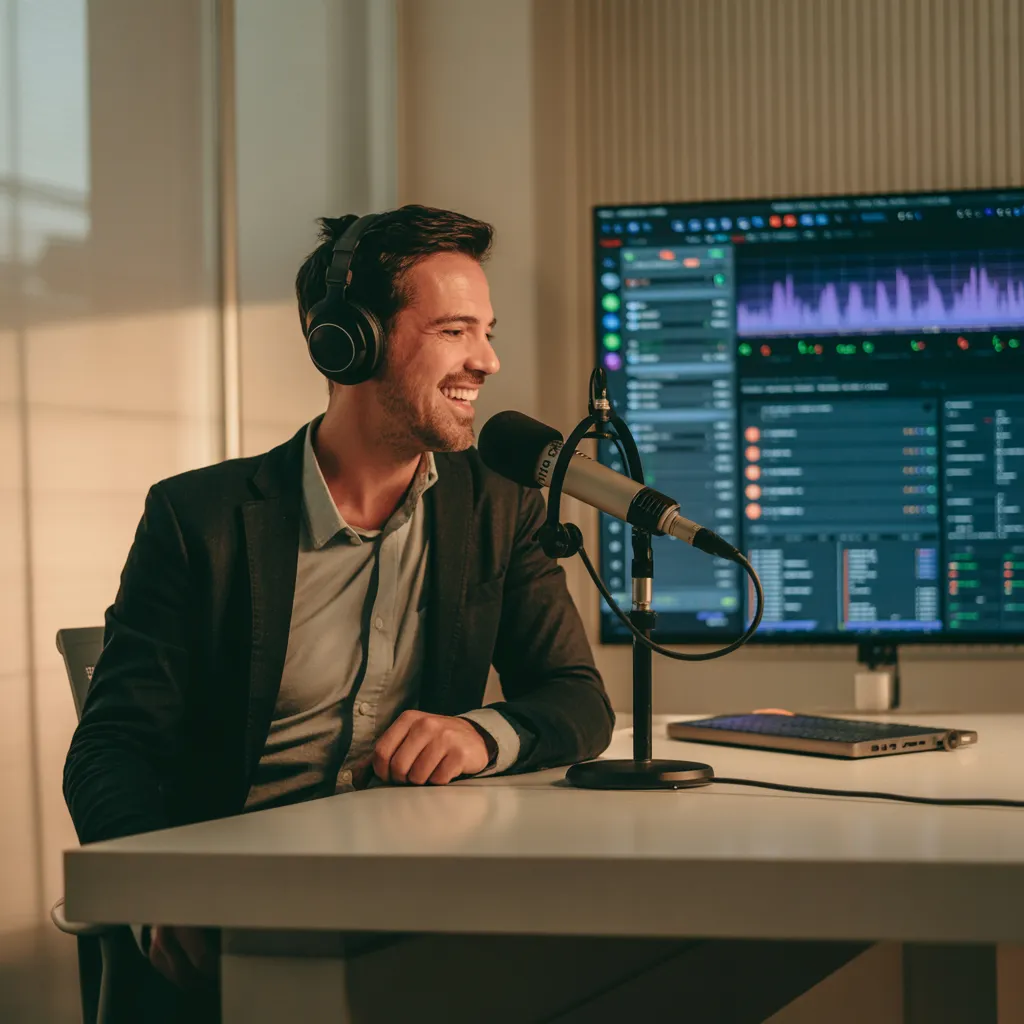
Internet Radio Explained: An Overview and Key Benefits
Internet radio has revolutionized the audio broadcasting landscape by creating a platform for varied voices and content. As opposed to traditional radio, which is commonly restricted by geographic limitations and regulatory frameworks, internet radio gives anyone with a connection the ability to share their ideas, music, and stories across the globe. This openness nurtures a thriving community of creators and listeners, leading to a myriad of niche genres and formats.
The advantages of internet radio go beyond diversity. It delivers adaptability in programming, empowering hosts to shape content suited to targeted audiences. Additionally, the elimination of hefty licensing fees tied to traditional broadcasting can position it as a more accessible option for up-and-coming broadcasters. Internet radio further encourages interactivity, permitting listeners to connect with hosts in real-time. In the end, this platform not only opens up the broadcasting process but also enhances the audio landscape, making it an appealing option for both content creators and listeners.
Selecting Software for Your Internet Radio Station
Selecting the correct software can considerably influence the performance of an online radio station. Multiple options are accessible, each tailored to diverse needs and budgets. Station operators must evaluate easy-to-use interfaces that support efficient operation and management. Software that supports live streaming, automated playlists, and scheduling can improve listener engagement and ensure a steady broadcast schedule.
Moreover, the ability to work with diverse audio formats and streaming protocols is vital for expanding your listener base. A number of platforms include native analytics tools, supplying useful details regarding listener demographics and content preferences, that can help drive more informed programming decisions.
Cost also plays a significant role; some software solutions are free, while others demand a recurring fee. At the end of the day, choosing the right software requires weighing features, ease of use, and budget constraints, so that the station runs smoothly and productively while offering valuable content to its viewers.
Finding the Right Gear for Internet Radio
Picking the correct tools is essential for building a high-quality internet radio station. Essential elements include a dependable microphone, audio interface, and headphones. A professional-grade microphone, such as a condenser mic, captures sound accurately, while an audio interface converts analog signals to digital. This ensures high audio fidelity for streaming.
Headsets are important for audio monitoring to avoid feedback. Closed-back headphones are favored to prevent audio bleed during on-air broadcasts. Additionally, a robust broadcast mixer can seamlessly handle multiple audio sources seamlessly.
Purchasing a dependable machine with sufficient processing capacity and RAM is equally important, as it enables broadcast applications and sound processing operations.
Furthermore, integrating a noise reduction system for the recording space can substantially boost audio performance. By strategically picking each element, station operators can craft a refined and compelling listening experience, setting the foundation for a high-quality internet radio station.
Developing Captivating Content: Deciding Between Storytelling, Music, or Talk
What components make content really captivating for listeners? The choice between music, talk, or storytelling markedly influences listener engagement. Music can evoke emotions and create a shared experience, drawing in audiences with curated playlists or live performances. Discussion-based shows, alternatively, nurture bonds through dialogues on current happenings, interviews, and personal accounts, attracting audiences in search of insight and connection.
Storytelling captivates by crafting stories that resonate with human experiences, compelling listeners to care about the emerging narrative. Every format demands its own distinct method; music needs careful selection and flow, talk demands engaging dialogue and diverse perspectives, while storytelling thrives on vivid imagery and relatable characters.
In the end, the choice depends on the listeners' tastes and the station's identity. Striking the ideal harmony across these elements can establish a vibrant auditory landscape that encourages listeners to tune in again, boosting the broadcaster's general attractiveness.
How to Reach Out and Increase Your Audience
Successful audience development methods are vital for any internet radio station aiming to expand its reach. One fundamental approach is leveraging social media platforms to create buzz and attract listeners. Through posting compelling material, including show previews or exclusive behind-the-scenes footage, stations can spark curiosity and motivate sharing among prospective listeners.
In addition, working with content influencers or other creators can introduce the station to new demographics. Collaborative promotions, where each party gains an advantage, can significantly boost audience reach.
Email marketing is another powerful tool; frequent newsletters can keep listeners in the loop about upcoming shows or special events. Participating in online forums and communities related to the station's niche can also help build a loyal listener base.
Lastly guaranteeing the station appears on popular directories and apps boosts findability, enabling new listeners to discover it effortlessly. These strategies collectively contribute to meaningful audience development for any internet radio station.
Building Listener Engagement: Practical Interaction Tips
In what ways can internet radio stations establish a meaningful relationship with their listeners? Building audience engagement demands a comprehensive strategy that encourages participation. Radio stations find this resource can leverage social media channels to promote live feedback, giving audiences the opportunity to express their opinions and song requests. Integrating real-time call-ins or listener messages within broadcasts cultivates a dynamic atmosphere, ensuring audiences feel recognized and respected.
In addition, organizing contests or giveaways can encourage engagement, while periodic polls or surveys support shaping content around audience tastes. Individualized shout-outs can additionally improve the listener experience, allowing audience members feel seen and appreciated.
In addition, developing themed shows or segments built around audience interests can considerably increase community engagement. By consistently responding to audience responses and showing versatility, radio stations can establish loyalty and trust. In the end, the essential factor involves championing audience participation, transforming passive listeners into a dynamic community that is aligned with the broadcasting station's mission.

Commonly Asked Questions
What Are the Legal Obligations for Launching an Internet Radio Station?
To set up an online radio station, one must secure essential licenses, such as performance rights licenses and broadcasting authorizations. Observing copyright rules and regulations is essential to steer clear of legal problems and maintain seamless operation.
What Strategies Can I Use to Monetize My Internet Radio Station?
To profitably run an internet radio station, one can explore advertising, sponsorships, listener donations, merchandise sales, affiliate marketing, and subscription models. Expanding income sources improves economic resilience and supports audience growth.
What Are the Top Practices for Preserving Audio Quality?
To maintain sound quality, one must employ premium equipment, regularly monitor sound output, establish suitable encoding parameters, reduce unwanted noise, and perform consistent testing. Consistency in these practices substantially elevates the complete listening experience.
Can Copyrighted Music Be Used on My Station?
Playing copyrighted music on a station necessitates permission from the copyright holder or an official licensing arrangement. Not complying with this may lead to legal consequences, such as fines or the forced closure of the station.
How Frequently Should I Revise My Content Schedule?
It is beneficial to revise content schedules each week to maintain listener engagement and relevance. Regular updates allow for fresh material, adjusting to the preferences of your audience, and ensuring the station remains vibrant and interesting over time.